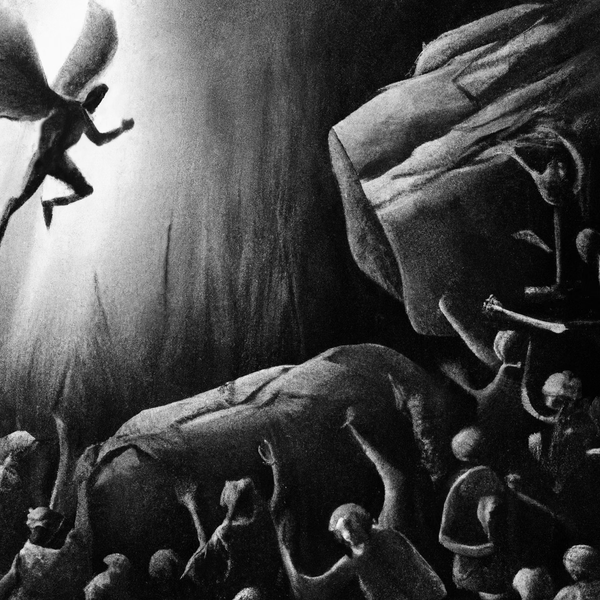
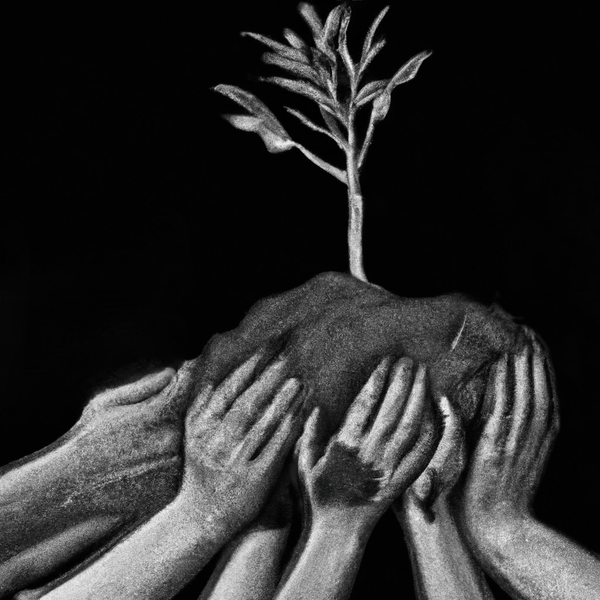
What preserves us binds us; what frees us risks us.
Human evolution has shaped our instincts and priorities in ways ensuring survival. Yet, these same forces may limit our capacity to truly understand and engage with the deeper realities of existence.


Our lives are dictated by mechanisms designed to preserve us. These mechanisms—innate drives for sustenance, reproduction, and security—have been refined over millennia to ensure the continuation of our species. They operate beneath conscious thought, silently guiding actions and decisions. Their purpose is clear: survival above all else. But the same forces that anchor us to life also constrain us, creating an environment where much of human effort is funneled into fulfilling needs that, while essential, are not inherently meaningful beyond their immediate function.
This preservation-driven framework narrows the scope of inquiry and ambition. The mind, conditioned to prioritize the practical and immediate, often resists abstract exploration or disruptive change. The routines of preservation foster stability but discourage risk—the kind of risk necessary for growth, innovation, and the pursuit of profound understanding. It is not comfort or safety that leads to transformation; it is uncertainty, challenge, and the willingness to confront the unknown. Yet, such paths are inherently perilous, for they threaten the very systems that ensure our survival.