The frame decides what reality becomes.
The frame does not create reality. It decides which version of reality reaches the mind.

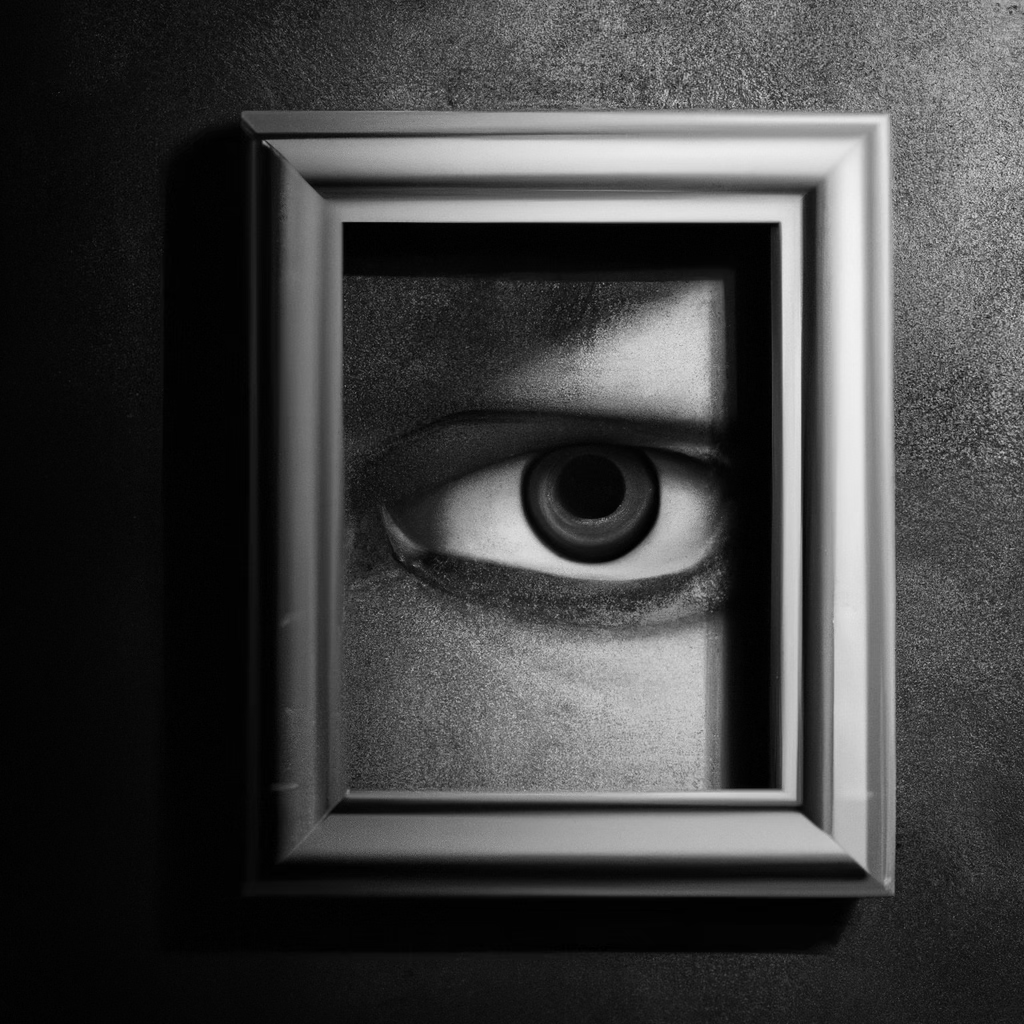
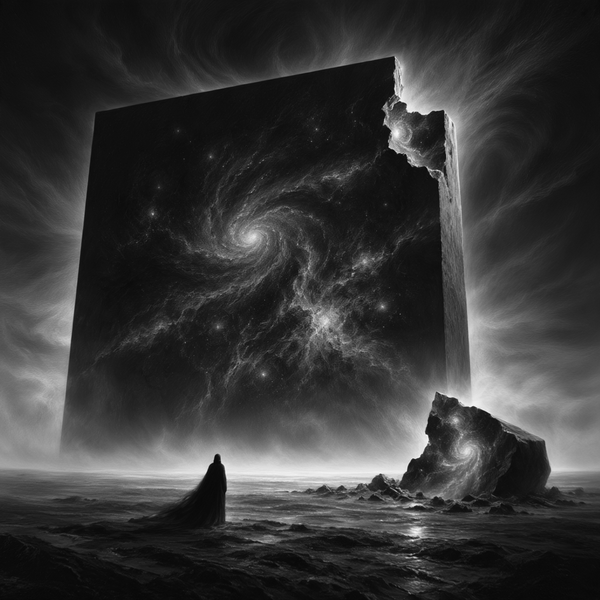
Modern propaganda rarely asks people to believe what is false. It asks them to see only what has been selected. The facts may be accurate, the images authentic, the numbers correctly reported—and still the conclusion can be engineered in advance. One event can be presented as progress or decline, protection or control, courage or recklessness, depending on what is placed at the center and what is pushed beyond the edge. The frame does not alter reality. It decides which part of reality is allowed to exist in the mind.
This is why framing is more powerful than deception. A lie can be confronted by evidence; a frame determines which evidence will appear relevant in the first place. It controls the sequence in which facts arrive, the language through which they are interpreted, and the silence surrounding everything excluded. Once that structure is accepted, the mind begins completing the argument on its own. The most effective propaganda therefore does not force a conclusion. It builds the path on which only one conclusion appears reasonable.
But frames do more than shape opinions. They establish the boundaries of imaginable action. Institutions present a narrow set of choices and call it freedom. Markets define value through what they can measure. Cultures celebrate originality while rewarding only the forms they already recognize. People may spend entire lives choosing between available doors without asking who built the corridor. The deepest form of conformity is not obedience to a command, but the inability to imagine a direction that was never offered.
To see beyond a frame requires more than skepticism. Suspicion alone remains dependent on what it opposes. The necessary discipline is structural: to ask why this fact was selected, what has been omitted, which assumptions make the conclusion appear inevitable, and whose interests are protected by that inevitability. A liberated mind does not merely evaluate answers. It examines the architecture of the question. It learns to move its attention beyond the illuminated center and into the darkness where excluded possibilities remain.
Yet freedom is not completed by exposing manipulation. A person who only breaks frames will eventually live among ruins. The greater task is to create better ones: wider interpretations, more honest questions, and possibilities large enough for realities that do not yet exist. Every transformation begins when someone refuses the inherited lens and sees not only what is, but what the existing frame has made invisible. The future does not belong to those who interpret the world most obediently. It belongs to those who can look through the frame, recognize its edges, and then step beyond them—into a space where meaning is no longer assigned, but authored.
Send it forward if you believe this should reach another self-directed mind.