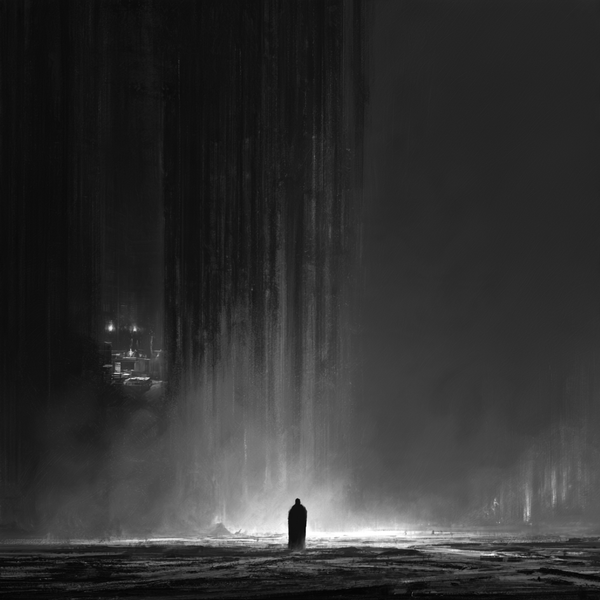
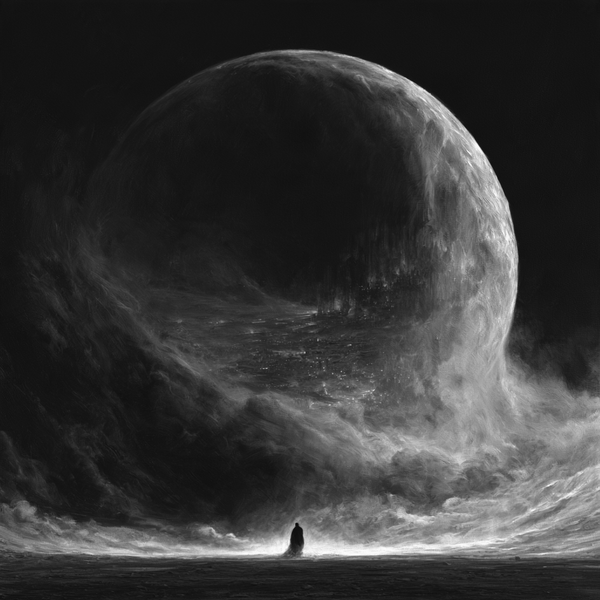
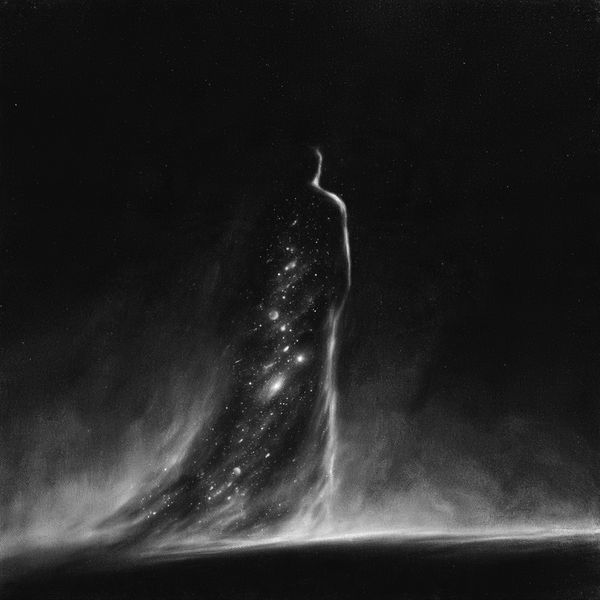
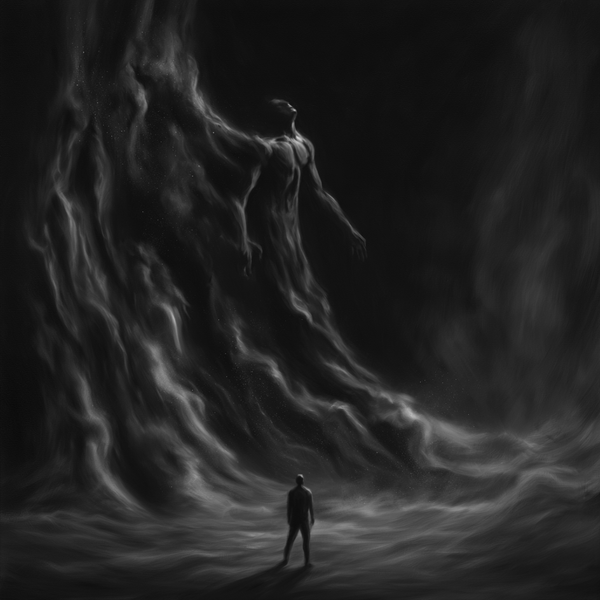
Death is inevitable only until it isn't.
Every human being before us has died. That is evidence about the past, not authority over the future.

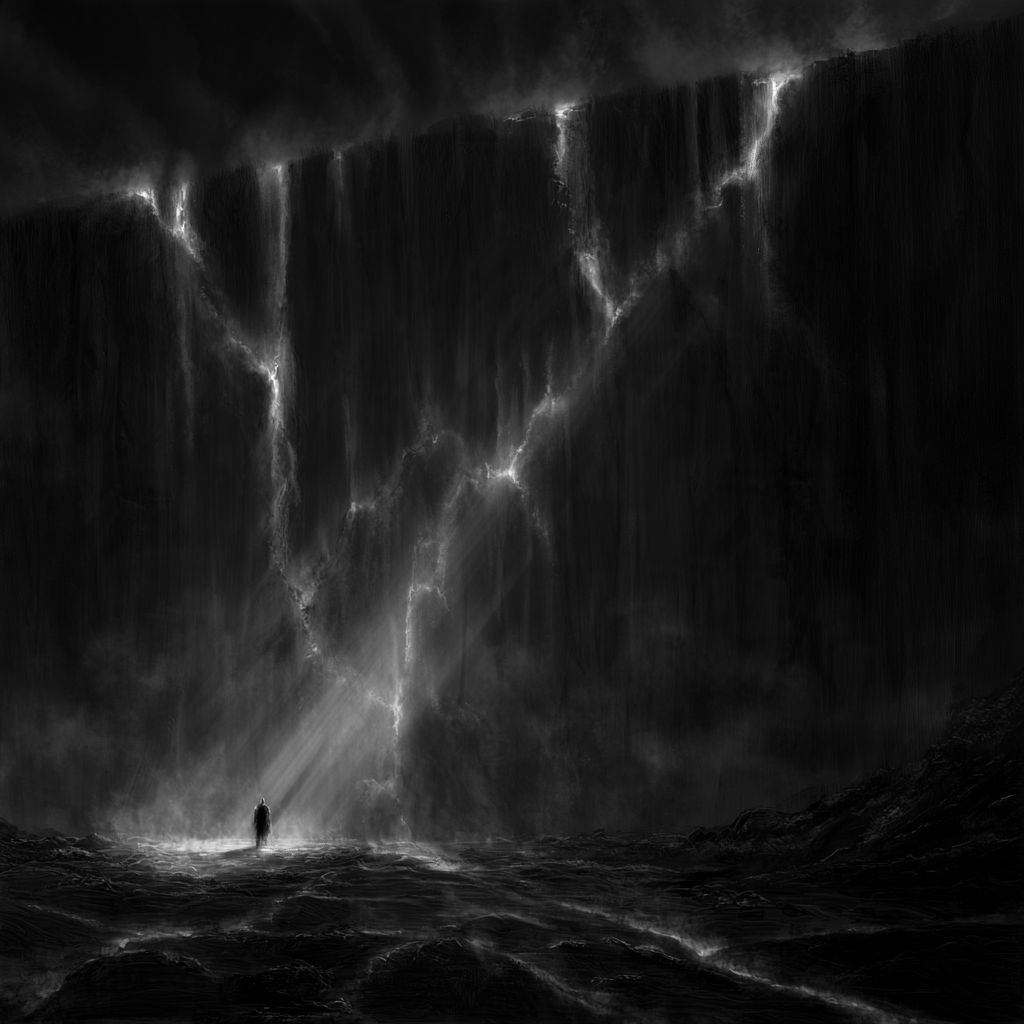
Death possesses perhaps the strongest precedent in existence. Every generation has encountered it, every civilization has organized itself around it, and every human life has been shaped by the knowledge that it will end. Repetition on this scale easily becomes confused with necessity. Yet the universe does not promise that what has always happened must always happen. Human history is, in part, the story of refusing to grant permanence to conditions simply because no one had previously escaped them. A frontier does not cease to be a frontier because humanity has spent thousands of years living beneath it.
There is a deeper danger in limitations that survive long enough: humanity begins creating reasons to need them. Mortality gives urgency to life. Finitude makes moments precious. Death prevents endless postponement. These can all be meaningful responses to the world as it exists, but adaptation is not proof of necessity. Humanity has always possessed the remarkable ability to create meaning inside its constraints. The next stage of human development begins when we stop confusing the meaning created under a limitation with a reason to preserve the limitation itself. Life should not need death to become valuable. Love should not need disappearance to become profound. Purpose should not need a countdown to become worth pursuing.
Until now, challenging mortality could reasonably appear almost indistinguishable from fantasy. And yet transplanting a human heart once sounded like fantasy. Instant communication across the planet once sounded like fantasy. Walking on the Moon once sounded like fantasy. Today, all three belong to reality. Each crossed the same boundary: from something humanity could not even imagine, to something it could imagine but could not achieve, to something the world eventually contained. For most of history, the rules of the game were set by the speed of biological minds—finite lives building slowly upon the work of other finite lives, often requiring centuries for knowledge to advance far enough. Technology changes those rules because it can accelerate not merely what humanity knows, but the evolution of knowledge itself. What once required centuries of human intellectual progress can be compressed into years, months, hours, or even seconds.
This creates an extraordinary uncertainty. We do not know how much time humanity needs to transcend mortality, just as earlier generations could not have described the technologies that would eventually turn their impossibilities into ordinary reality. But ignorance of the path is not evidence that the destination is unreachable. History repeatedly teaches the same uncomfortable lesson: the boundary between fantasy and reality is visible only in retrospect. And as technology accelerates the process by which knowledge itself is created, that boundary can move faster than any previous generation was able to imagine. Perhaps the question humanity should increasingly ask is not whether another seemingly absolute limit can fall, but when.
We are not finished creatures obligated to preserve the boundaries into which we were born. We are the part of reality capable of discovering its conditions, questioning them, and turning knowledge into new possibility. Every inherited limit deserves to be treated as a frontier until reality—not tradition, fear, precedent, or resignation—proves otherwise. Death has been inevitable for every human being who came before us. That does not make mortality sacred. It makes transcendence one of humanity’s greatest unfinished works. And perhaps the most human thing we can do is refuse to believe that the present form of humanity deserves the final word on what humanity can become.
Send it forward if you believe this should reach another self-directed mind.