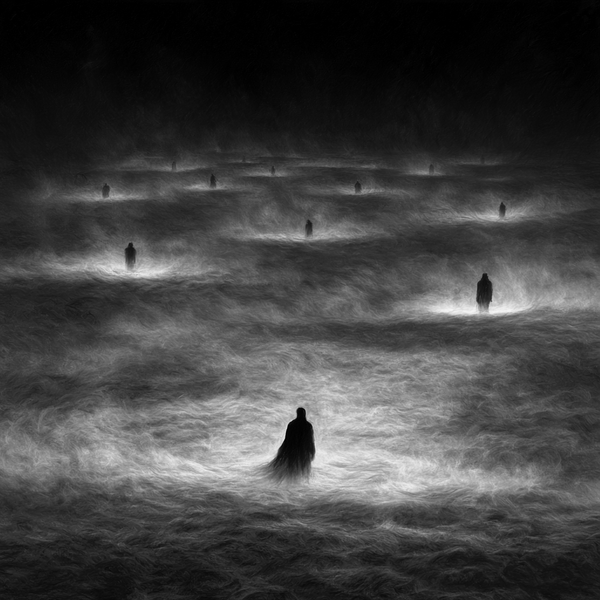
The future can change the meaning of the past.
The past itself is irreversible. Yet its ultimate meaning may not be.


A person can spend years believing that a particular decision ruined their life, only to discover that everything they eventually came to value emerged from its consequences. Another can look back upon an apparent triumph and recognize it as the beginning of something they would later regret. Neither discovery changes the original event. The same decision was made, the same consequences followed, and nothing has been erased. Yet what once seemed like a tragedy can become inseparable from everything that made life meaningful, while what appeared to be a victory can acquire an entirely different significance. The event belongs to the past. The meaning we assign to it depends on a future that has not yet finished unfolding.
This reveals something unsettling about the way we experience success and failure. We judge events as though their significance were contained within them. But consequences do not arrive together. They unfold across time, interact with other events, and create possibilities that could not have existed independently. More importantly, the meaning of an event may depend on decisions made long after it occurred. What happens next does not merely reveal consequences already waiting to unfold; it can introduce entirely new ones. We often pronounce verdicts on events whose consequences have not yet finished becoming possible.
Perhaps the most profound consequence is that we may spend years trying to escape a past whose meaning has not yet been determined. We regret decisions, mourn opportunities, and carry judgments about ourselves as though they were permanent truths. Yet those judgments were formed at a particular moment, with only a fraction of the life that would eventually follow. A failure can become part of an achievement without ceasing to have been painful. A loss can acquire significance without becoming something we would ever have chosen. The danger is not remembering what happened. It is allowing an unfinished story to become a final judgment about who we are.
This does not mean that every instance of suffering conceals a purpose or that time inevitably transforms tragedy into something beautiful. Some events remain devastating, and no future achievement can erase the harm they caused. But the impossibility of changing an event does not require us to preserve the meaning we once assigned to it. There is a difference between accepting the reality of what happened and surrendering authority over everything that may follow from it. The past can impose consequences upon our lives without possessing the authority to determine everything we make of them.
Time's irreversibility may therefore be less absolute than it first appears—not because events can be undone, but because their significance can continue to be created. We move only forward, yet in moving forward we continuously transform the story behind us. Perhaps this is one of the greatest powers we possess: although we cannot rewrite the past, we can spend an entire life changing what it means.
Send it forward if you believe this should reach another self-directed mind.