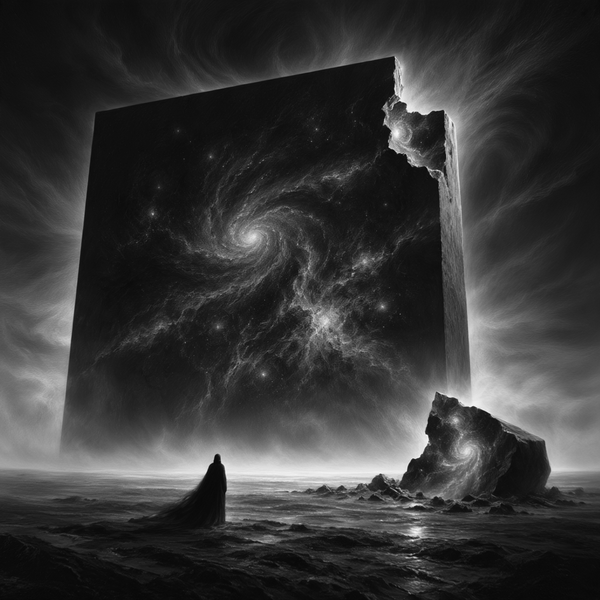
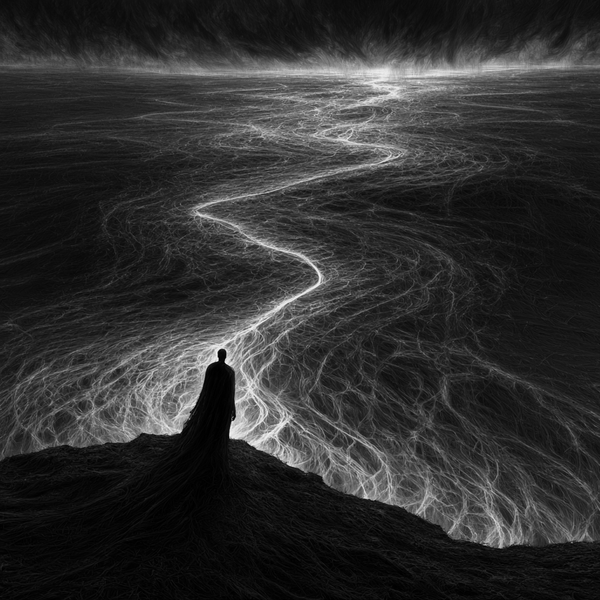
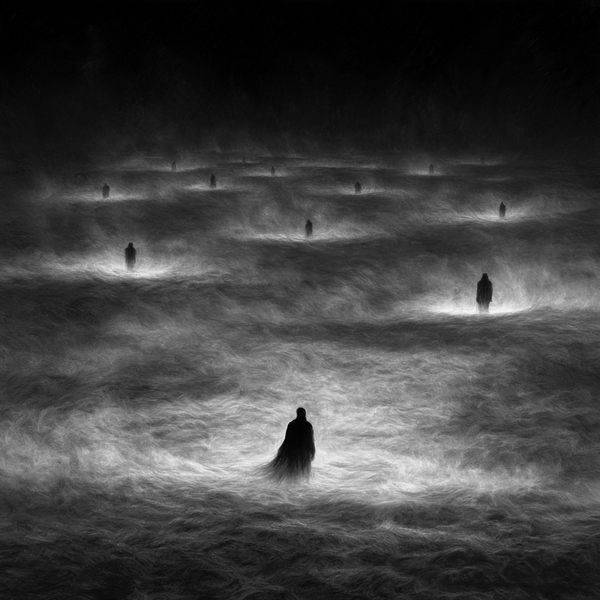
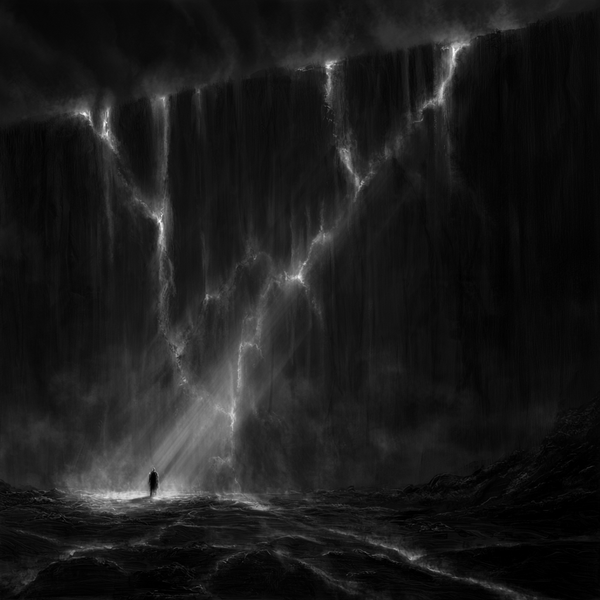
What never exists can be a greater loss than what dies.
Humanity loses not only through destruction. It loses through everything it never dares to bring into existence.

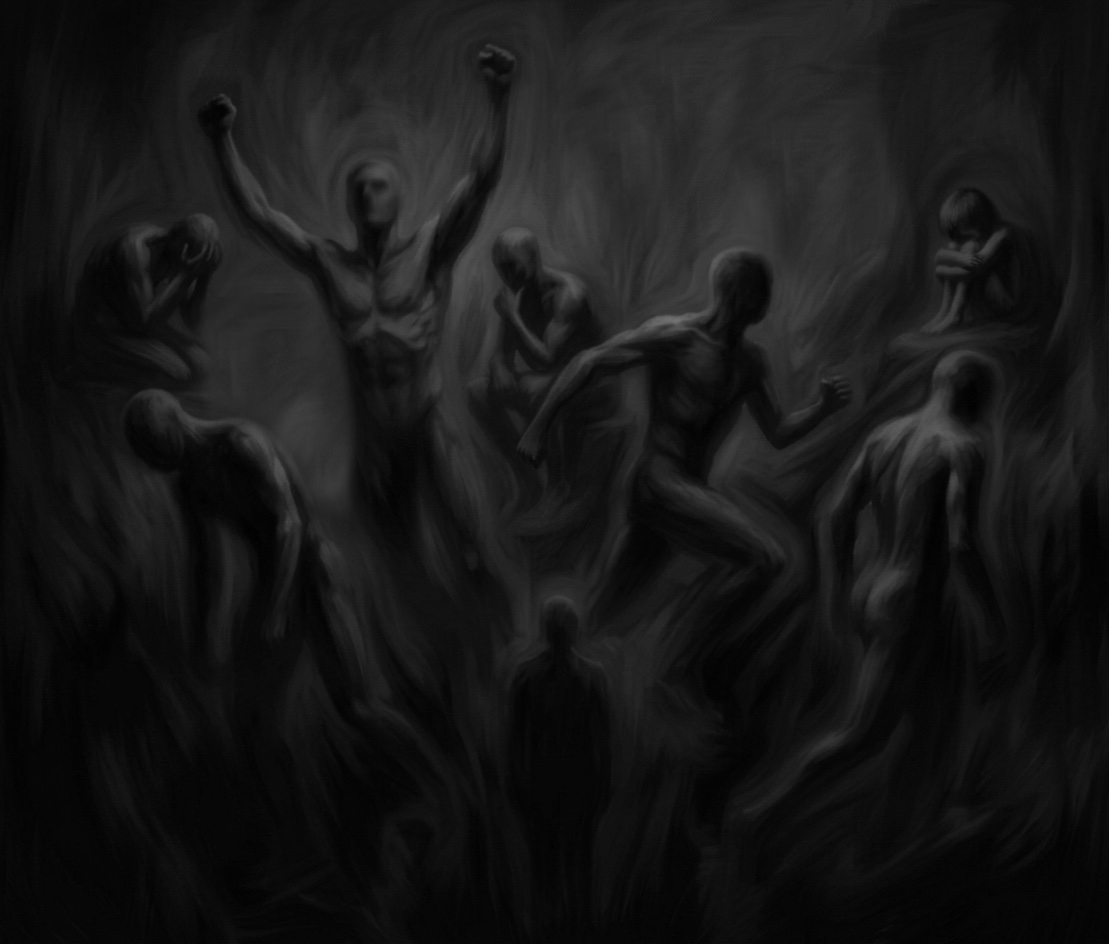
Humanity has always feared destruction because destruction announces itself. A collapse leaves ruins. A death leaves memories. A failure leaves evidence. Yet there is another form of disappearance that is far more complete: the disappearance of something that never received the opportunity to exist. No monument is built for an unrealized idea. No history is written about a discovery that was never pursued. No one mourns the person someone could have become but never became.
Every individual is not merely one person, but an entire universe of possible people. There is the version that creates, the version that explores, the version that takes responsibility, the version that changes the world around them. Most of these versions do not fail. They are silently eliminated by hesitation, comfort, fear, or the belief that the present reality is more permanent than it truly is. A life is therefore not only measured by what it achieves, but also by the possible selves that never emerge.
This is why the greatest risk is not failure. Failure is a conversation with reality. It forces an idea to reveal its weaknesses. It transforms uncertainty into knowledge. A failed attempt leaves behind something that did not exist before: experience, understanding, and a clearer map of what is possible. But the possibility that is never tested remains trapped outside reality forever. The most dangerous decision is not choosing the wrong path. It is refusing to enter any path where something new could be discovered.
The same invisible loss can occur in knowledge, when an understanding that is never questioned prevents other possibilities from ever coming into view. What is considered truth is often only the most accurate understanding available at a given moment, because reality can always reveal something that disproves it. A hypothesis that is tested and rejected at least becomes part of reality for a moment: it marks a path that existed, was explored, and could then be abandoned. But when existing answers are never questioned, other possible ways of understanding the world may never come into existence at all.
The answer is not to wait until uncertainty disappears, because it never will. The answer is to act despite it: questioning what exists and creating what does not yet exist. The greatest tragedy is not that humanity will make mistakes while reaching beyond itself. The greatest tragedy is that entire futures may remain forever unknown because nobody was willing to search for them. Humanity’s purpose is not merely to inherit reality. It is to exceed what it inherited and expand the boundaries of what can exist.
Send it forward if you believe this should reach another self-directed mind.