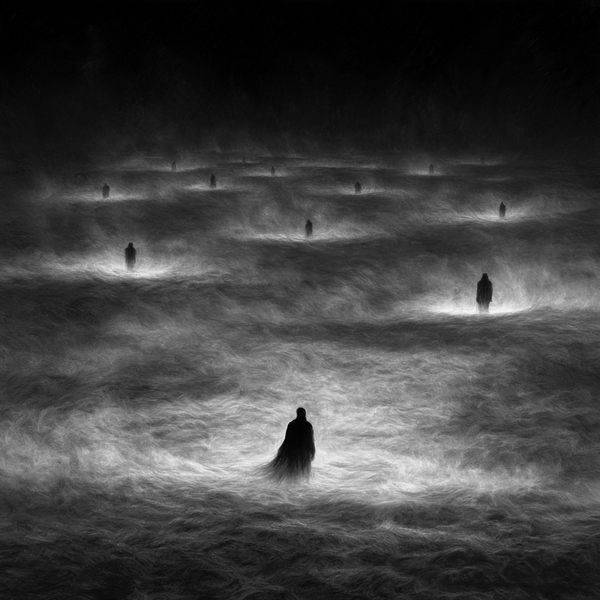
Thought leadership dies the moment it becomes instructive.
Thought loses power when it tells instead of challenges. Progress begins where certainty is withdrawn.

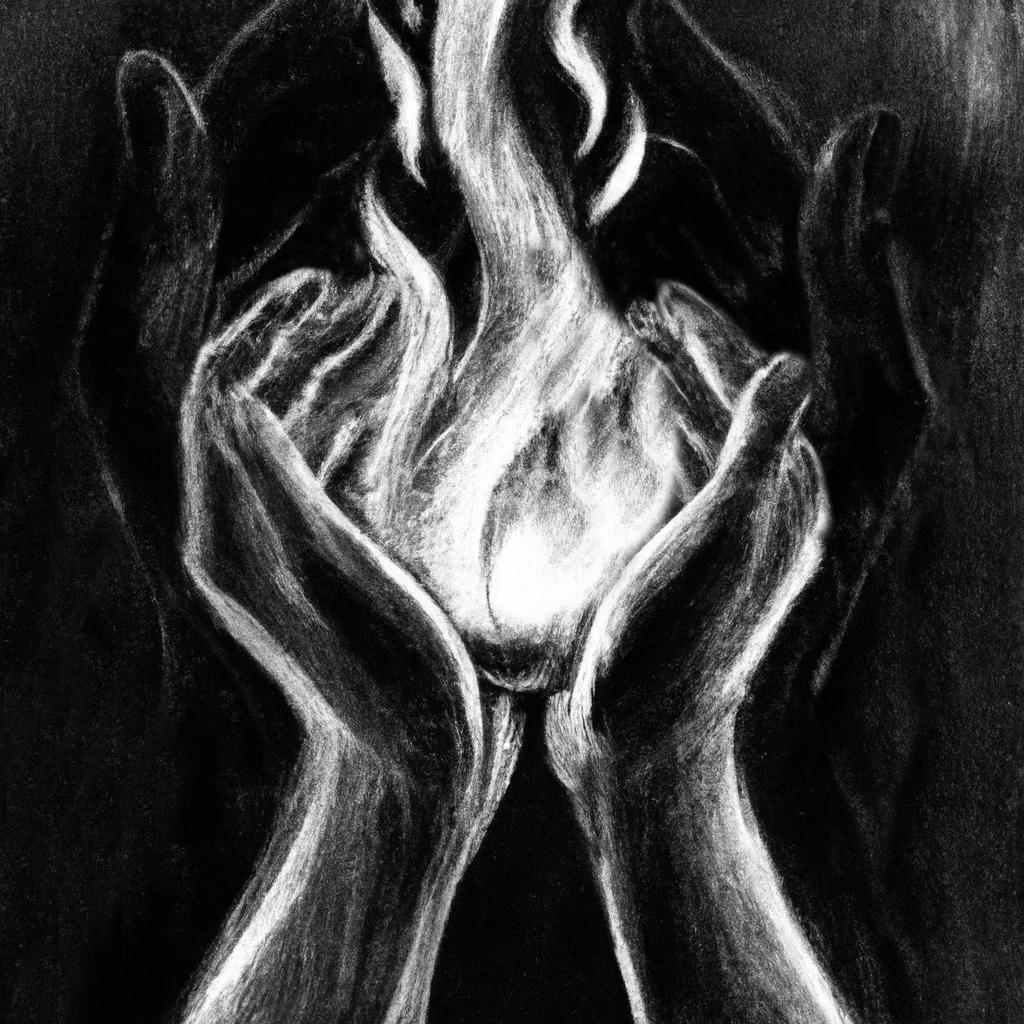
Ideas do not lose force when they become controversial; they lose force when they become prescriptive. The moment thought begins telling others what to do, it stops functioning as thought and begins functioning as management. Instruction signals closure. It implies that the work of thinking is already finished and that the individual’s role is merely to apply. But anything that demands only application produces repetition before it produces transformation.
Certainty flatters because it lowers the cost of response. It relieves the individual of risk, judgment, and authorship. A finished answer is always easier to accept than an unfinished tension. Yet that ease is precisely what makes instruction dangerous. The moment an idea arrives fully resolved, it silently places a ceiling over the mind receiving it. It does not call a person upward; it assigns them a limit and names it clarity.
True thought does not direct. It destabilizes. It interrupts inherited conclusions, exposes contradictions, and leaves one alone with a more demanding standard than obedience. Its function is not to deliver rules, but to make passivity impossible. What matters is not whether an idea can be followed, but whether it can force reconstruction inside the person who encounters it. Thought becomes alive again only when it compels self-revision rather than compliance.