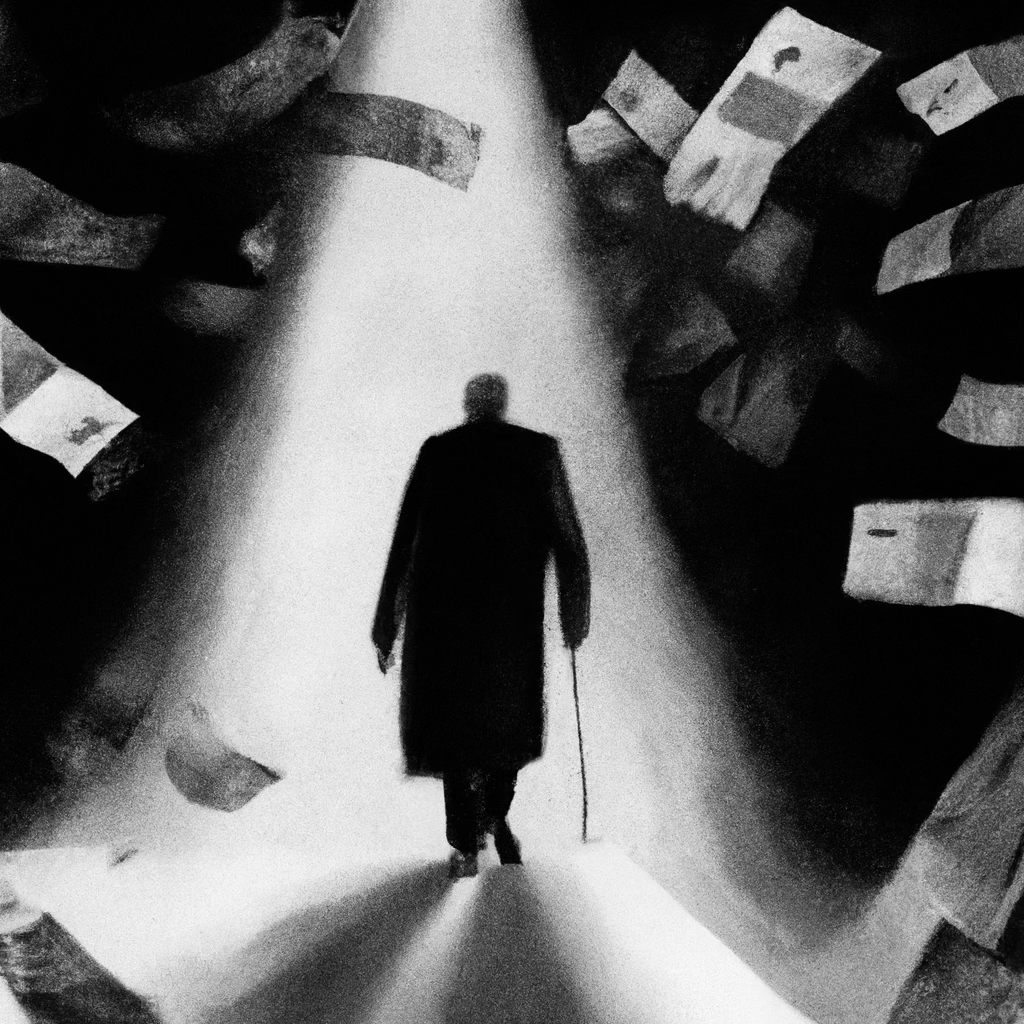
The real work begins when the external rewards disappear.
The first reward of work is often illusion. The deeper work begins only after illusion has been withdrawn.

As long as effort is being answered from the outside, its deepest motive can remain hidden. Recognition, status, momentum, praise, visible progress, and material rewards — all of them can accompany serious work, and all of them can distort it. They do not merely reward action; they interpret it. They tell the individual that the path is justified because the world is reflecting it back. Under those conditions, continuation proves little. It may reveal energy, drive, or discipline, but not yet whether the work is rooted deeply enough to survive silence.
The decisive problem is not that reward always disappears, but that many lives are built without ever testing what would remain if it did. Attention may continue. Applause may never fully fade. Progress may stay visible, rewarded, and socially legible for years. That continuity proves nothing by itself. A pursuit can be sustained for an entire life by incentives strong enough to prevent the deeper question from ever being asked: is this really what we want to do, or what the system wants us to think we want to do?
That question matters because reward does more than motivate; it frames. It teaches what counts as progress, what deserves effort, what should feel meaningful, and what should be feared as waste. Under its influence, entire lives can become highly disciplined forms of misdirection — not false in effort, but false in aim. The danger is not laziness, but loyalty to a path whose legitimacy was never examined deeply enough to become truly one’s own.
This is why the loss of reward does not merely remove pleasure; it removes camouflage. It is the point at which the individual is forced to confront whether the work was ever chosen in freedom, or merely inhabited through repetition, approval, and inherited definitions of success. Money, recognition, and applause matter, but they should always remain only a consequence, never the cause.
If the answer depends on applause, then the center was always outside. If the answer survives silence, then something more serious has taken root. No audience can answer that question. No metric can answer it. No title, victory, or praise can answer it. Only continuation without external reward can. When all rewards are stripped away, the truth emerges: the work was never about winning. It was about becoming.
Send it forward if you believe this should reach another self-directed mind.