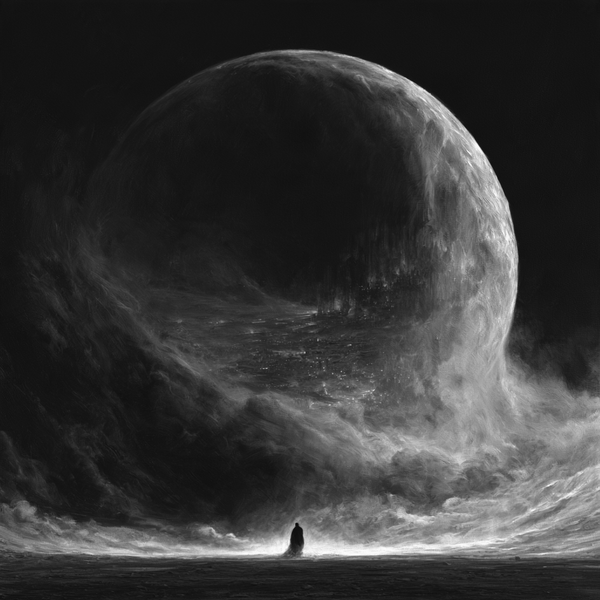
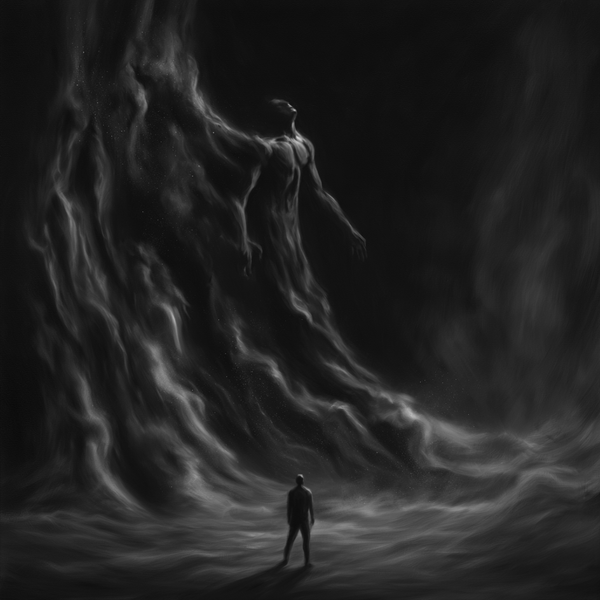
The hardest prison to escape may be a life that works.
Failure forces questions. A well-functioning life can postpone them indefinitely.

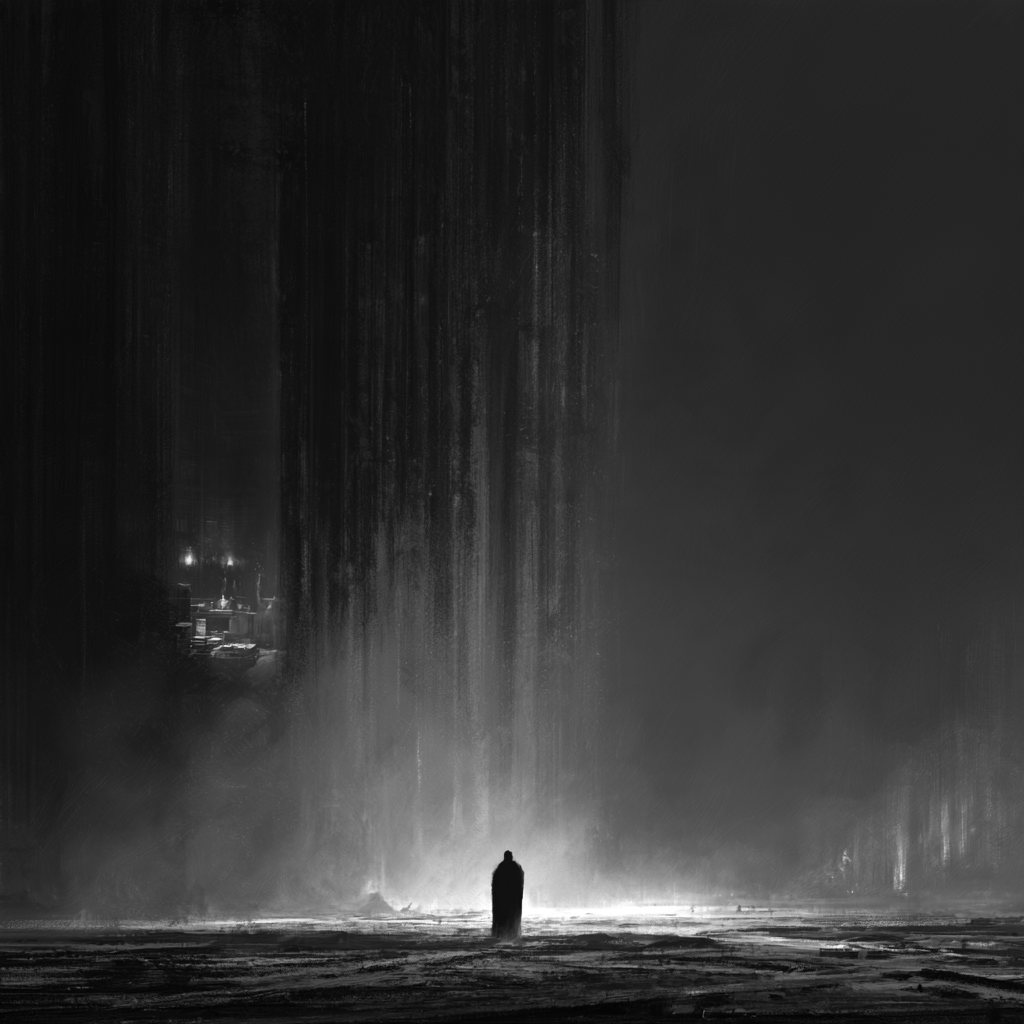
A life that is visibly broken creates pressure for change. Pain, instability, conflict, or obvious dissatisfaction make the need for movement difficult to ignore. But a life can become far more difficult to leave when nothing is clearly wrong. The work is respectable. The income is sufficient. The routines function. From the outside, there may be no evidence that anything needs to change. A life can become convincing long before it becomes meaningful.
This is why functionality can become a form of captivity. When a structure works well enough, every desire to leave it must defend itself against evidence that staying is rational. Sometimes the question is not whether a life is worth keeping, but whether keeping it is worth the life it excludes. The cost of change therefore feels less like rescue and more like betrayal. The more successfully a life solves practical problems, the harder it can become to admit that it no longer solves the deeper question of what the life is for.
The decisive moment comes when a life stops serving the person who built it and the person begins serving the life they built. A career needs continuity. A reputation needs consistency. A standard of living needs income. Each may have originated as an expression of freedom, yet together they can develop requirements of their own. The creator gradually becomes the caretaker of the creation. Nothing has gone wrong; that is precisely what makes the reversal difficult to see. A life can become a prison not when it fails its inhabitant, but when preserving it becomes more important than the possibilities it was originally built to create.
There is also a hidden asymmetry between staying and leaving. Staying rarely requires a single conscious decision; it happens through thousands of ordinary repetitions. Another year passes. Another contract is signed. Another responsibility is accepted. Leaving, however, often demands one concentrated act whose consequences are immediately visible. A person can spend decades choosing the same life without ever experiencing the moment as a choice. The status quo acquires its greatest power when continuing feels like nothing and changing feels like everything.
This is why some of the greatest acts of courage begin without catastrophe, desperation, or collapse. Nothing has to break before a human being is allowed to become larger than the life that once served them. There are moments when the deepest responsibility is not to repair what has failed, but to transcend what has succeeded. A functioning life may offer every rational reason to remain exactly where one is. But humanity was never made merely to preserve what works. Sometimes becoming demands the courage to stand before a life worth keeping—and choose the possibility of becoming more.
Send it forward if you believe this should reach another self-directed mind.