The fear of missing out is the weakness of those who follow, not lead.
The fear of missing out is not the fear of losing opportunity. It is the fear that the crowd may know one’s direction better than oneself.

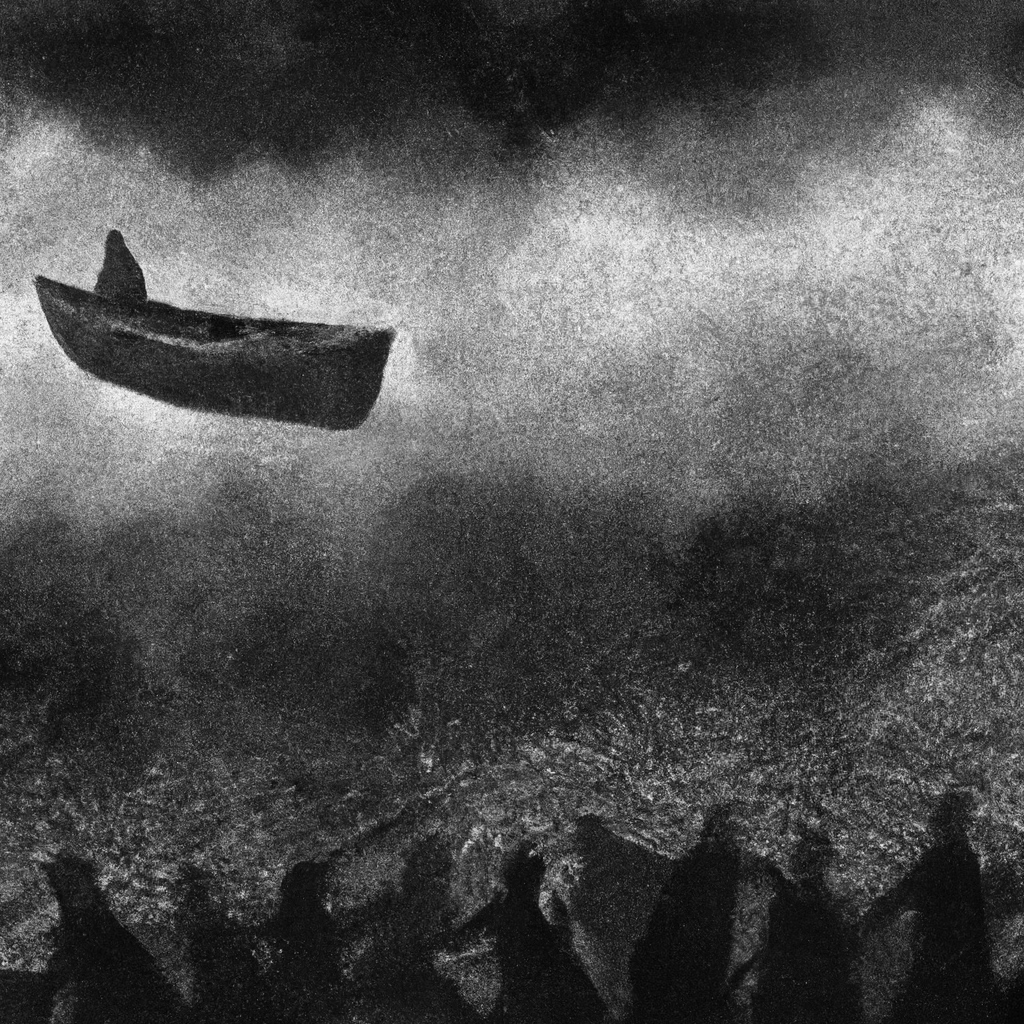
In a world driven by constant updates and an unrelenting flow of information, the fear of being left behind has become a modern affliction. Yet at its core, this fear is not about ambition. It is about dependence. It reflects a mindset that reacts before it chooses, compares before it understands, and searches outside itself for proof that its path is still valid. For those who lead, this fear is not only irrelevant; it is corrosive. Leadership requires a center of judgment strong enough to remain intact while the world multiplies signals around it.
The most profound weakness of this mindset lies in its tendency to fragment focus. It seduces individuals into believing that every opportunity is equally valuable, every trend equally urgent. But true leaders know that value is not found in breadth but in depth. It is not about how much they can capture but about how well they can cultivate what aligns with their vision. Great decisions are born from exclusion, from the ability to say no to what is tempting but peripheral. This discipline of focus is what separates those who shape their environment from those shaped by it.
The fear of missing out is also a symptom of reactive thinking, a trap that keeps individuals tied to the rhythm of external events. It rewards speed over substance, encouraging decisions made in haste rather than with intention. True leadership, however, demands the courage to slow down when the world accelerates. It requires a deliberate pause to assess not only what is happening but why it matters. Leaders move when the timing is right, not when the crowd demands it. They understand that timing is not about being first but about being ready.
At its heart, the fear of being left behind reflects a deeper discomfort with uncertainty. The compulsion to act on every opportunity often stems from an inability to sit with the unknown. Leaders, in contrast, are comfortable with the ambiguity of their journey. They understand that not every opportunity will reveal its value immediately and that the greatest rewards often come from paths less obvious. It is this comfort with uncertainty that allows them to take risks others would avoid and to trust in their vision even when it lacks immediate validation.
Perhaps the greatest irony of the fear of missing out is that it is fundamentally backward-looking. It is driven by the fear of being left behind, not the desire to forge ahead. It does not create direction. It follows signals. Those who succumb to it chase what has already been noticed, named, priced, and celebrated. They mistake visibility for destiny. Leaders do not. They accept that many doors must remain unopened for one path to become real. For them, missing out is not failure—it is a choice, a necessary part of pursuing something greater.
Send it forward if you believe this should reach another self-directed mind.