Between impulse and action, the self is born.
The first impulse belongs to history. The final action belongs to the author.

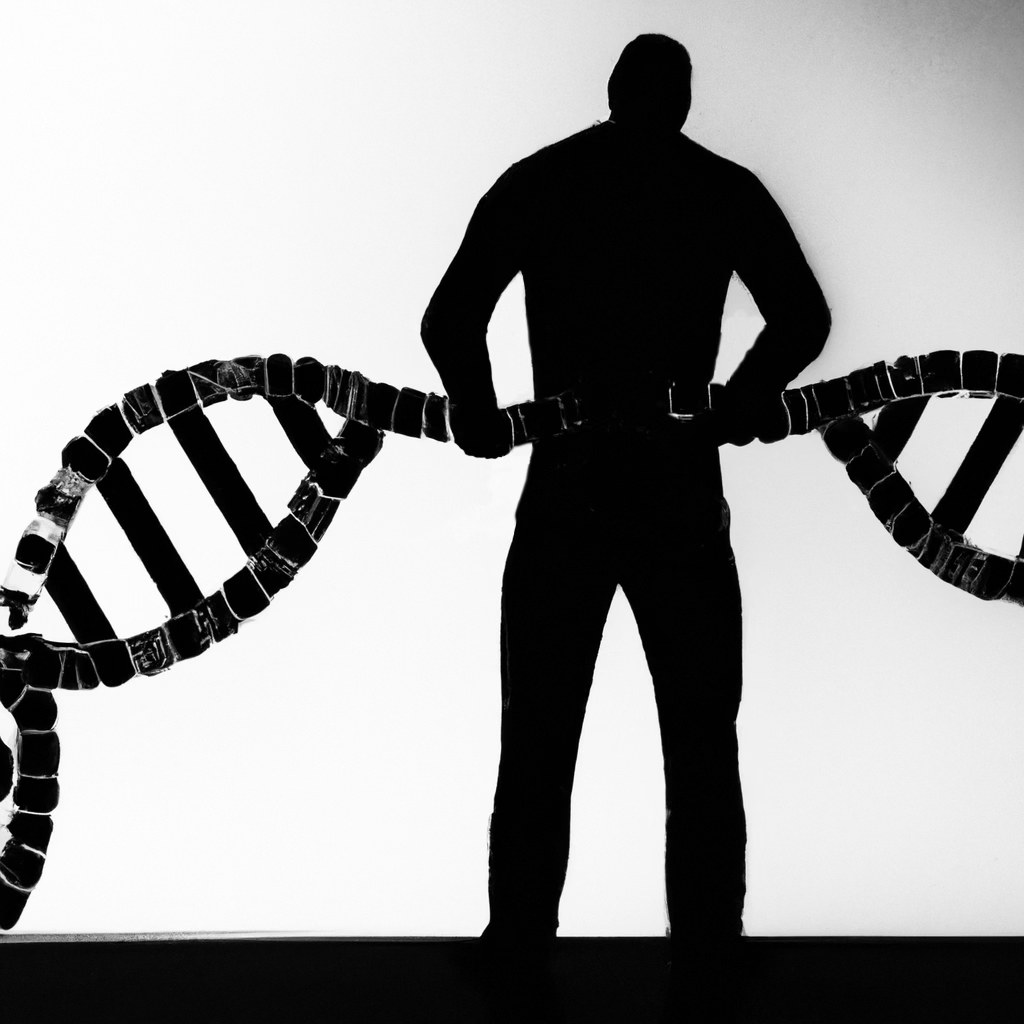
Between what happens to us and how we act, there is a fraction of time that most people never notice. Biology treats it as a detail; culture ignores it entirely. Yet this interval determines whether behavior is automated or authored. When reaction is immediate, action belongs to conditioning, habit, and external programming. When reaction is suspended, even briefly, inevitability gives way to choice. For the first time, instinct is no longer the only author of what follows. The future becomes negotiable.
Modern systems are optimized to collapse this pause. Speed is rewarded, hesitation penalized, and decisiveness mistaken for clarity. Markets, media, and institutions benefit from predictability, which is easiest to extract from reflexive actors. The highest form of control no longer needs to remain external. It survives inside the reaction itself. People respond faster, but think less. They act more, but author less. Eventually, people stop choosing their lives and begin merely processing them.
Most lives are not directed by decisions but by momentum. Every impulse carries yesterday into today, and unless interrupted, today delivers it unchanged into tomorrow. This is how generations repeat themselves without intending to, how habits survive longer than beliefs, and how entire civilizations inherit futures they never consciously chose. The pause is the only place where this momentum can be broken. It is the point where history ceases to dictate destiny, where repetition surrenders to creation, and where the individual becomes more than the continuation of what came before.
At scale, progress has never been driven by those who reacted best to the present, but by those who delayed just enough to redefine it. Innovation, institutional change, and cultural shifts originate from individuals capable of standing apart from immediate incentives. They refuse to inherit conclusions they did not reach themselves. They refuse to inherit futures they did not choose. The future is reclaimed in that pause, decision by decision.
If development has a direction, it is not toward greater comfort or faster reaction, but toward higher authorship. The capacity to choose one’s response is the foundation of all higher functions: responsibility, creativity, and leadership. Without it, freedom is a slogan. With it, freedom becomes operational. Evolution, in this sense, is not a historical process but a daily one, occurring whenever reaction is suspended long enough for something better to be chosen.
Send it forward if you believe this should reach another self-directed mind.