Freedom begins where dopamine addiction ends.
Modern ambition is driven by impulses that erode autonomy. True freedom begins when attention is no longer for sale.

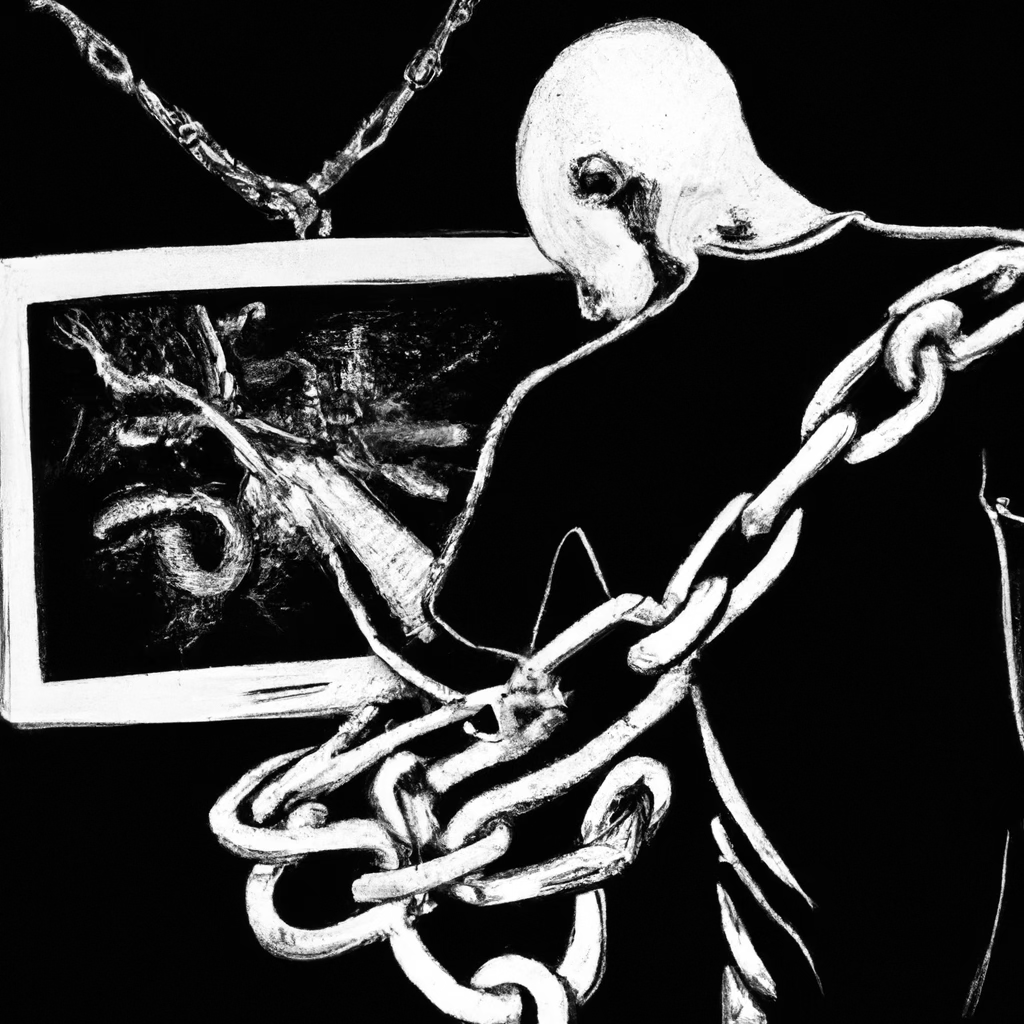
The pursuit of external validation, endless stimulation, and short-term gratification has become the default state of modern ambition. The cost is rarely questioned, yet it is immense—attention fractured into irrelevance, willpower eroded by compulsive seeking, and autonomy surrendered to algorithms optimizing for engagement rather than mastery. Those who recognize this dynamic and reassert control over their cognitive economy position themselves in a rare category: individuals who are no longer reactive but directive, no longer moved by impulse but by intent.
The human mind, left unmanaged, will always default to the path of least resistance. Dopaminergic feedback loops—designed to keep one engaged, craving, and consuming—are not neutral; they are a form of leverage applied against self-determination. Platforms, narratives, and market incentives coalesce to reward dependence, subtly replacing internal clarity with externally dictated desires. Those who lack the discipline to resist this dynamic remain trapped in perpetual pursuit, never truly choosing, only reacting.
The antidote is not abstinence but strategic deprivation. The ability to withdraw from low-value stimuli and tolerate the discomfort of an unoptimized dopamine system is not a restriction but a form of recalibration. A mind accustomed to intermittent highs and lows cannot sustain deep focus, long-term thinking, or the ruthless prioritization required for strategic breakthroughs. Reclaiming cognitive sovereignty is, therefore, a prerequisite for any pursuit that demands original thought, resilience, or significant leverage.