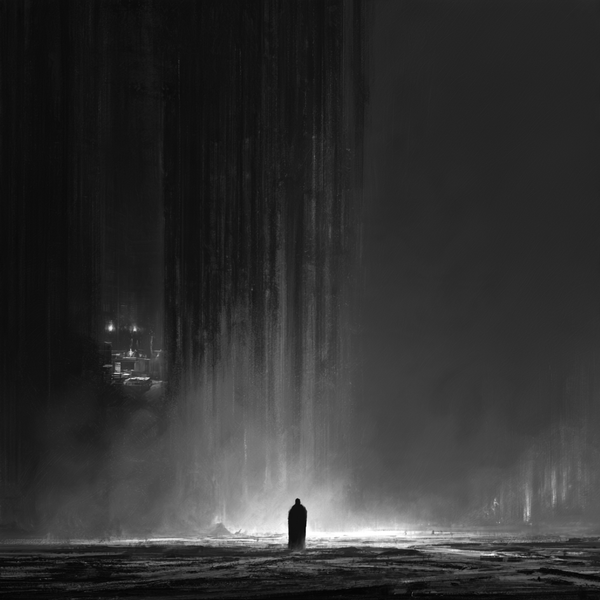
The more connected humanity becomes, the easier it becomes to remain alone.
Humanity no longer suffers from separation by distance. It suffers from separation without distance.

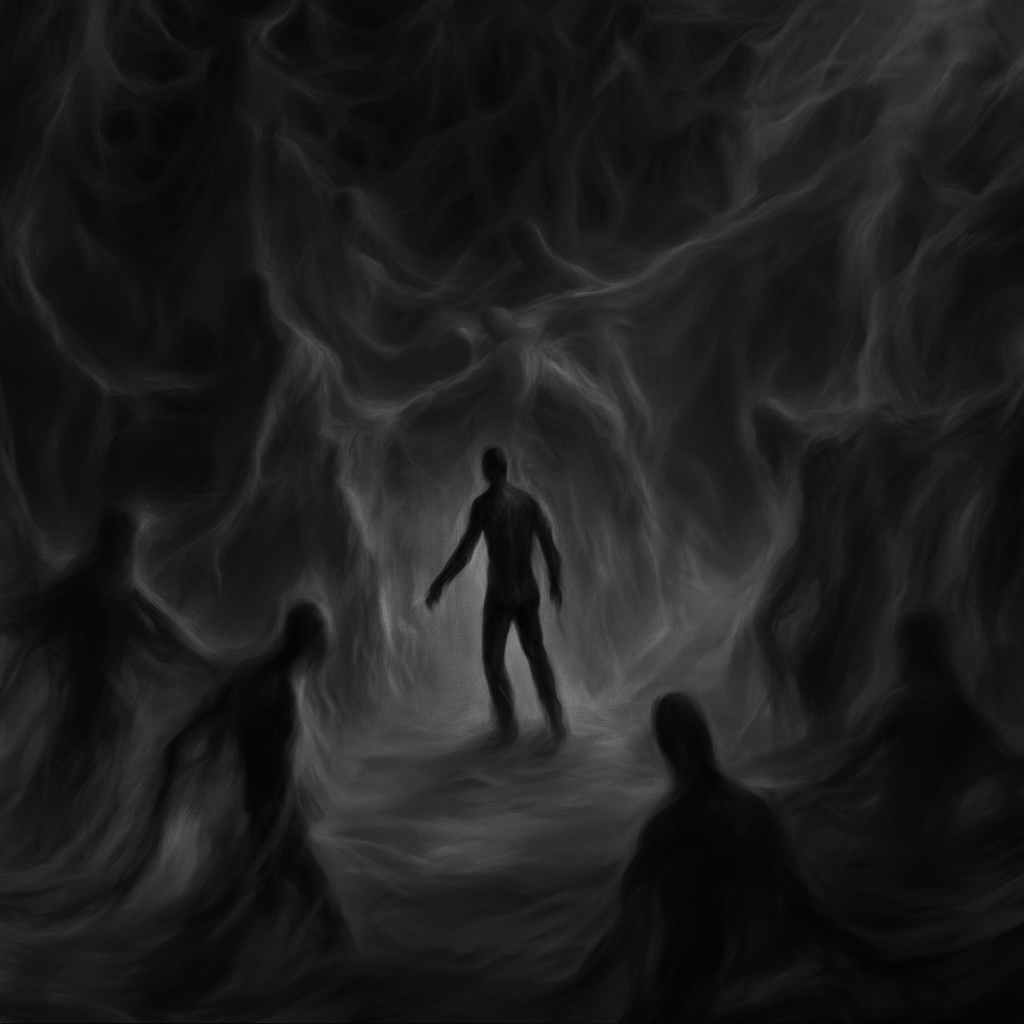
For most of human history, isolation was created by distance. Mountains separated communities. Oceans separated civilizations. Information traveled slower than human ambition. Connection was limited by geography, time, and physical presence. Humanity spent centuries building bridges, roads, and technologies to overcome separation. It succeeded beyond imagination. Yet after solving the problem of distance, humanity encountered a more difficult one: the possibility of being surrounded by connection while remaining fundamentally alone.
The modern world has created something unprecedented: the ability to reach almost anyone, almost anywhere, almost instantly. A person can communicate across continents, participate in global communities, and maintain hundreds of relationships without leaving the place they call home. But access is not the same as connection. A thousand conversations cannot replace one person who truly understands. Visibility cannot replace recognition. The existence of contact does not guarantee the existence of a bond.
This creates a new form of isolation that previous generations could not experience. The lonely person of the past often lacked opportunities to connect. The lonely person of today may have endless opportunities yet still lack meaning within them. The absence of connection has been replaced by an abundance of incomplete connections. The problem is no longer silence. It is noise so overwhelming that genuine signals become difficult to recognize.
The paradox becomes deeper because the systems designed to bring humanity closer often reward the opposite of what creates closeness. Meaningful relationships require patience, vulnerability, attention, and the willingness to understand another person beyond their most visible expression. Yet modern communication increasingly rewards attention over substance, reaction over reflection, and performance over creation. The human being becomes easier to reach but harder to truly know. A person can become present everywhere while remaining deeply absent anywhere.
The paradox is not created by technology itself, but by what humanity expects technology to replace. Technology has expanded human possibility in ways previous generations could barely imagine. The problem begins when tools designed to connect humanity become substitutes for the human qualities that make connection meaningful. A bridge is valuable because it allows people to meet. It becomes a limitation when people begin believing that standing on the bridge is the same as arriving at the destination.
The future of connection will not be created by those who build the largest networks, but by those who understand what networks are supposed to serve. Humanity does not need more connections. It needs deeper ones. The greatest achievement is not making every person reachable. It is creating a world where, among billions of possible connections, people can still find the rare ones that allow them to become more than they could ever become alone.
Send it forward if you believe this should reach another self-directed mind.